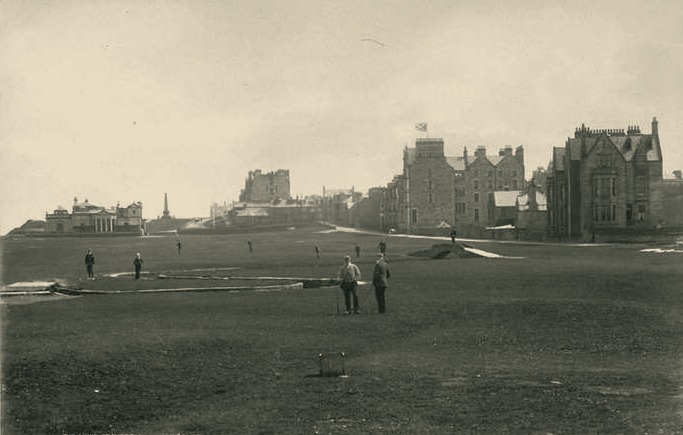
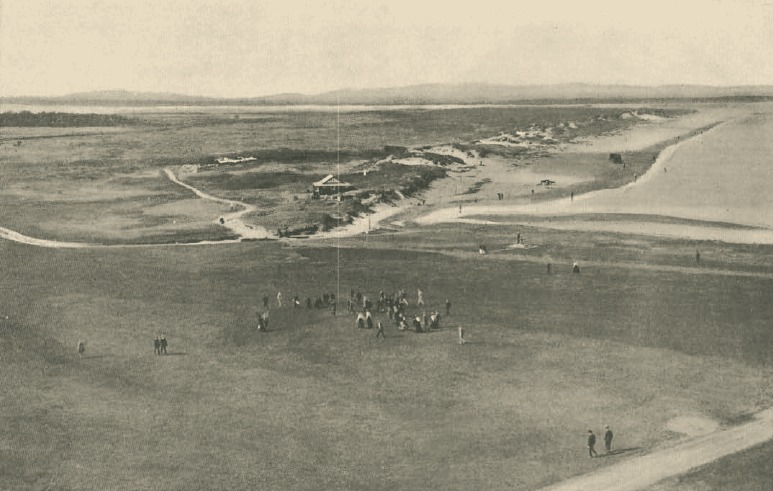
The Old Course, St Andrews, 1891 · Public domain; J. Valentine & Co; University of St Andrews Library Photographic Archive
One clubmaker, and no other
Tom Stewart of St Andrews
Serpent, small pipe, large pipe. A working reference to the cleek marks, the irons and the honest restoration of the finest heads ever struck by hand in Argyle Street — kept by Davie O’Rth.
Argyle Street, St Andrews
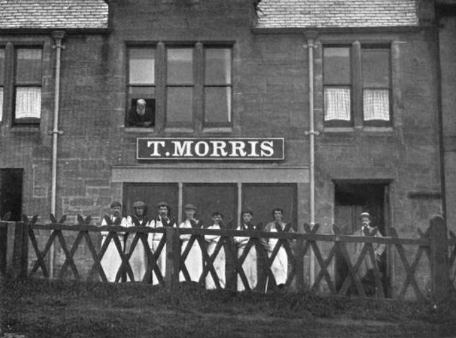
The man and the shop
Thomas Stewart Jr. (1861–1931) was a St Andrews blacksmith's son who set up as a cleek maker in the 1890s and spent forty years forging iron heads — nothing else. No woods, no bags, no boxed sets with a brand on the lid. Heads went out of the shop by the crate to professionals across Britain and America, who shafted them, stamped their own name beside his, and sold them on.
That is why a Stewart iron so often carries somebody else's shop name. It is not a fake; it is how the trade worked. The pipe struck behind the hosel is the part that tells you who actually made it.
Bobby Jones played Stewart irons. So did a great many people who never won anything, which is the better argument: these were working clubs, forged to be used in wind on firm ground, and the good ones still are.
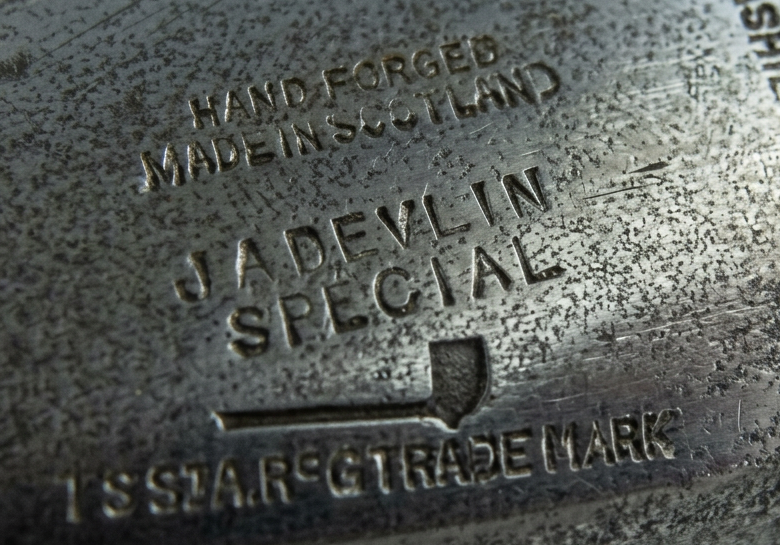
The whole argument in one square inch
Reading the pipe
Dating a Stewart head comes down to which mark was struck on it and how the face was finished. The bowl of the pipe grew over the years; the serpent came before it; the face went smooth, then punched, then plain again when deep grooves were outlawed.
- The serpentc. 1893 – c. 1905
- The small pipec. 1905 – early 1920s
- The large pipec. early 1920s – 1931
- T. Stewart · Maker · St AndrewsThroughout
Cleek to niblick
What came out of the shop
Cleek
2 iron / driving iron
Loft roughly 18–22°
Driving iron
1–2 iron
Loft roughly 15–18°
Mid-iron
3 iron
Loft roughly 24–27°
Mashie iron
4 iron
Loft roughly 28–31°
Mashie
5 iron
Loft roughly 32–37°
Spade mashie
6 iron
Loft roughly 38–41°
Mashie-niblick
7 iron
Loft roughly 42–45°
Niblick
9 iron / wedge
Loft roughly 46–55°
Enthusiasts talking shop
Latest from the forum
Nothing asked yet. If you have a puzzling stamp or a re-shafting question, start the first discussion.
About this archive
A single-maker reference to Tom Stewart hickory golf clubs
Tom Stewart Jr. (1861–1931) forged iron heads in Argyle Street, St Andrews, from the early 1890s until his death, and the shop carried on under his mark into the 1930s. His heads were shafted and sold on by professionals across Britain, America and the Continent, which is why a genuine Stewart iron so often carries someone else's name on the back alongside his own cleek mark.
This archive exists to help you work out what you are holding. The cleek marks page photographs the serpent, the small pipe, the large pipe, the Rustless stamp and the retailer marks, with the date brackets each one supports. The identification guide walks the seven checks in the order a collector makes them, and the guide to maker's marks shows anyone with an antique hickory iron how to read the stamp behind the hosel. The iron types page translates cleek, mid-iron, mashie, spade mashie, mashie-niblick, niblick and jigger into modern clubs and lofts, and the valuation ledger records confirmed auction results so you can see what these clubs actually fetch.
Everything here is kept by one enthusiast, Davie O’Rth, and it is honest about doubt: where the dating of a mark is contested, the page says so rather than inventing certainty. There is also a free printable cleek-mark poster for the workshop wall. Questions, corrections and better photographs are welcome in the forum.